Porta Potty Rental Boston for Renovations and Remodeling Projects
Renovations are loud, dusty, and full of surprises. One day the crew is removing a wall, the next day they are waiting on a delivery, and somewhere in the middle the reality hits: nobody wants to trek across a block to find a bathroom. For contractors, property managers, and homeowners, portable sanitation stops being “nice to have” and becomes part of keeping the job moving.
In Boston, that need is even more obvious because projects tend to run in tight spaces, inside occupied buildings, and on schedules that do not pause for comfort. When you are managing a renovation or remodeling job, porta potty rental is often the simplest way to protect health, maintain site order, and reduce delays caused by an inadequate restroom setup.
Below is what I look at when planning portable toilets on rent for remodeling, how to match the right unit to the job, and what to verify before delivery so you do not end up scrambling mid-demolition.
Why portable toilets matter on renovation sites
A renovation site is not just about construction materials. It is also about people, traffic patterns, and basic hygiene. When workers do not have a reliable restroom option on site, you often see workarounds that create other problems. You might notice more breaks, less predictable schedules, or staff members leaving the area more often than expected. In multi-unit buildings, those offsite stops can quickly become a tenant issue.
Even when everyone is respectful, the practical friction adds up. Crew members are busy and tired. If the nearest bathroom is far away or access is restricted, someone will eventually cut corners. That leads to complaints, sanitation risks, and an unnecessary conflict between the crew and the building.
Portable Toilet Rental is also one of those planning items that is easier to handle before the demolition dust starts. The sooner you set it up, the sooner workers stay on task, and the smoother your site management becomes.
Choosing the right unit for your project
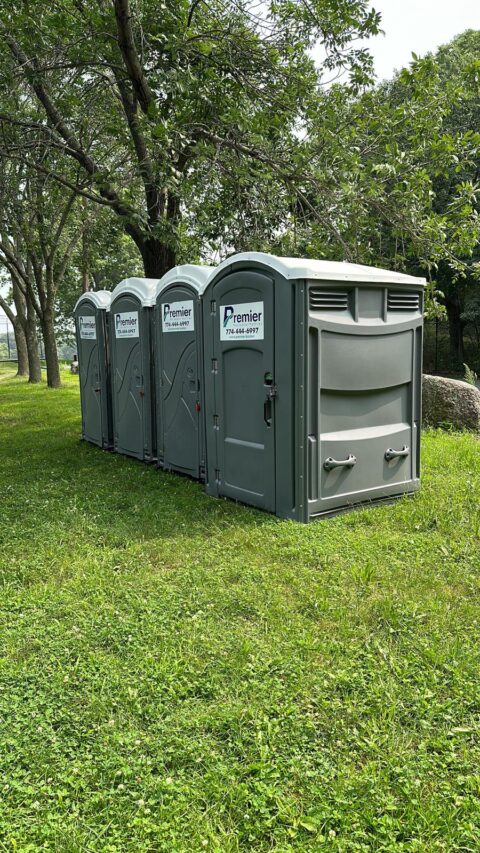
Not every remodeling project needs the same type of toilet. A basement gut job has different requirements than a short exterior refresh. The key is to think through site conditions and expected use. In my experience, the “right” porta potty rental is the one that fits the work rhythm and the space you actually have, not the one that looks best in a photo.
Indoor work, narrow access, and “where do we put it?”
Boston renovation sites can be surprisingly constrained. You may have a driveway that narrows, a front stoop that complicates placement, or a loading area where delivery trucks cannot linger. For interior work, you also want to consider odor control and airflow. Sometimes an exterior unit works fine with the right placement and timing. Other times, the site needs more planning around how workers access it.
If you are dealing with limited access, the delivery setup matters. A portable toilet company that understands Boston job sites will show up with a plan for placement and secure positioning, especially if you are near walkways, fences, or property lines.
How many workers and how long the job lasts
People underestimate how fast usage adds up. A crew of four working all day can consume a lot more restroom capacity than you might assume, especially if the project runs for weeks. Short projects with a smaller crew still need consistent access, but the logistics may be more forgiving.
When I plan for the number of units, I consider:
- Crew size and shift length
- Whether the job includes weekends, early mornings, or staggered start times
- How close the crew is to where they would otherwise leave the site
- Whether you expect visitors like inspectors, clients, or subcontractors
This is one area where asking portable toilet rental companies direct questions Porta Potty Near Me Premier Portable Potties helps. A responsive vendor will recommend a setup based on realistic use, not just a generic suggestion.
Standard vs. Extra features
Many porta potties on rent are straightforward, but features change the user experience. If your project involves frequent handwashing needs, longer durations, or high heat days, you may want to plan for additional supplies or upgraded units.
Also, consider the difference between “available” and “pleasant to use.” If your goal is to keep the crew comfortable and reduce restroom avoidance, unit choice matters. That can mean more than one unit, it can also mean supplies on site and clear placement.
Planning the placement like you would any other job component
I treat porta potty placement as part of the job scope, not a last-minute errand. Placement affects access, cleanliness, and safety.
If you are working in an area with foot traffic, position the unit where people can use it without cutting through hazardous zones. Keep it away from construction debris piles and material staging areas. You also want a path that works in winter conditions, because Boston projects do not stop for weather.
A vendor experienced with Porta Potty Rental Boston logistics will often advise on placement considerations like:
- Safe access for users and delivery trucks
- A stable base if the ground is soft, uneven, or under construction
- Protection from obstructed walkways or blocked doors
- Clear visibility so the unit is easy to locate without wandering around the site
Even small placement choices can prevent daily frustration that compounds over the course of a remodel.
When “emergency portable toilet rental” actually saves the schedule
Sometimes the portable toilet arrives late. Sometimes demolition starts faster than expected and the bathroom plan changes. Sometimes a previous unit gets pulled because the site was reassigned. Whatever the reason, emergency portable toilet rental is one of those categories that sounds dramatic until you are living it.
I have seen crews lose half a day because the restroom situation was underestimated, then the schedule got tighter, and suddenly every delay became more expensive. If you are facing an urgent need, the real value of an emergency portable toilet rental is not just the unit itself, it is the vendor’s ability to respond quickly while still handling placement and service responsibilities.
If your project has a firm deadline, treat restroom planning as part of your critical path. Do not wait until workers are stuck improvising.
Service, servicing frequency, and what “clean” means on a job site
Portable toilets are not set-and-forget, especially for longer renovations. Service frequency affects odor, cleanliness, and the user experience. Different projects call for different schedules, and weather can shift how often servicing is needed.
A lot of people focus on delivery, but for a remodeling site, service is the feature that determines whether the solution holds up. When I discuss portable toilet rental companies with clients, I pay attention to how they explain:
- How they handle servicing during the rental period
- What happens if the site is behind schedule or work runs longer
- How they coordinate with your crew so the unit is serviced without creating chaos
- What supplies are included, if any, and how restocking works
Some sites need extra attention. For example, heavy use from a full crew or a multi-day work schedule can push a standard cadence. If you are running close to capacity, it is worth asking early whether the provider can adjust service frequency.
Bathroom setup is also a communication problem
Even when the unit is delivered properly, crews still need guidance. A simple sign can prevent a lot of confusion, especially if subcontractors come and go. You want the restroom to be clearly associated with “this is for the job,” not a random item sitting near the construction zone.
On occupied properties, communicate rules to protect relationships with residents or building staff. That might mean basic etiquette around cleanliness, not leaving trash behind, and keeping the area tidy.
I have found that when the expectations are clear, workers use the unit correctly without needing constant monitoring. It makes a difference for the site’s overall tone.
Common mistakes I see during remodeling projects
Renovations are complicated, so it is easy to miss portable restroom details. Most of the time, the issues are not caused by bad intent. They happen because people assume it will be easy, and then the schedule tightens.
Here are the patterns I keep seeing:
- Underestimating usage based on crew size, then dealing with odor or overflow
- Placing the unit where access becomes awkward once materials start piling up
- Waiting too long to order, then “making do” while the crew is already on site
- Choosing a unit without considering how winter conditions or ground conditions affect placement
- Assuming delivery is the whole story, without confirming servicing frequency
The best fix is planning early and asking specific questions so the setup matches your work pace.
Questions to ask before you book (so you get the right outcome)
A good porta potty rental provider should make it easy to confirm the details. If a vendor gives vague answers, or only talks about availability, that is a red flag for a renovation project where placement and servicing really matter.
Before booking, I recommend asking questions in plain terms. For example:
- How many workers and days does your typical recommendation cover?
- What servicing schedule do you propose during the rental period?
- Do you offer unit upgrades for higher use, longer durations, or specific site conditions?
- What are the placement requirements on my property (driveway, sidewalk proximity, access path)?
You should feel confident that the vendor is thinking like a jobsite partner, not just a delivery service.
Cost considerations and “cheap” porta potty rental reality
People search for cheap portable toilet rental, and in many cases it can be a smart move. But with sanitation rentals, the cheapest option is not always the best value, because the hidden costs show up in the form of extra units, more frequent service needs, or operational disruption.
A low price might reflect a shorter service plan, minimal supplies, or fewer unit options. If you are planning a longer remodeling, you might end up paying more overall if the initial setup cannot handle usage.
The best approach is to compare total service fit, not just the rental rate. Ask what is included, how service is handled during the timeframe, and whether the provider can adjust if the project runs longer than expected. That question alone can prevent a lot of budget stress later.
Special scenarios in Boston renovations
Boston projects often include circumstances that do not fit a standard backyard model. A few scenarios come up repeatedly.
Multi-family buildings and occupied units
If you are working in a building where residents are still living nearby, sanitation logistics affect more than the crew. Placement needs to consider sight lines, shared access, and paths that residents might use.
I also encourage coordination with property management if there is one. When the portable toilet is delivered and used appropriately, it can reduce complaints because it prevents people from seeking bathrooms in unintended places.
Tight city lots and sidewalk concerns
On small lots, the unit placement and delivery access become critical. You may have limited space for a truck to unload, and curbside rules can complicate timing. This is where Porta Potty Rental Boston providers that understand local conditions can be worth it, because they plan delivery with the realities of the site in mind.
Winter and freeze risk
Cold weather changes how you manage rentals. Ground conditions can affect stability and access, and you want a plan that keeps the unit usable throughout the schedule. If your project runs into cold months, ask the provider what precautions they take for winter conditions and what servicing expectations are during that period.
How to coordinate with your contractor or property manager
Portable sanitation should align with the rest of your job planning. That means coordinating delivery windows with construction timelines, not after the fact.
If you manage a renovation team, you can reduce friction by making restroom logistics part of the pre-mobilization checklist. When the crew knows where the unit is and when servicing occurs, fewer questions get asked later.
For property managers, it also helps to set boundaries early. Residents should know where the unit is placed, how the area will be maintained, and who to contact if something needs attention.
A quick real-world way to think about unit planning
When I help people estimate needs, I start with the job’s shape, not just a count. A full gut remodel is different from a kitchen refresh. A two-week job is different from a six-week job. If the project includes demolition, dust control, or heavy daily work, usage tends to climb.
Then I ask how the crew will move through the space. If they have a clear path to the portable toilets, usage is steady. If the unit is inconvenient, they avoid it and attempt alternatives, which often causes bigger messes and more disruption.
That is why it is worth planning placement carefully and choosing a unit setup that supports real work patterns.
What “Portable Toilet Rental” should look like when it goes well
When a rental experience goes well, it feels almost boring. The unit shows up when expected, it is placed where it should be, the crew uses it without confusion, and servicing keeps the unit clean enough that nobody resents it.
In Boston, that smooth experience often comes down to practical details: good communication, realistic recommendations, and a servicing plan that matches the project’s pace. Whether you are renting for renovations and remodeling projects or you need emergency portable toilet rental, the best outcomes happen when the vendor treats your site conditions as part of the service, not an afterthought.
Final checklist before the first worker arrives
Before the crew shows up, you want the restroom plan to be ready, not improvised.
Confirm delivery timing, placement access, and servicing expectations. Make sure there is a clear route to the unit and that supplies are handled according to the vendor’s setup. If your project has a tight schedule or you are operating under weather constraints, communicate those details upfront so the rental provider can align the service plan.
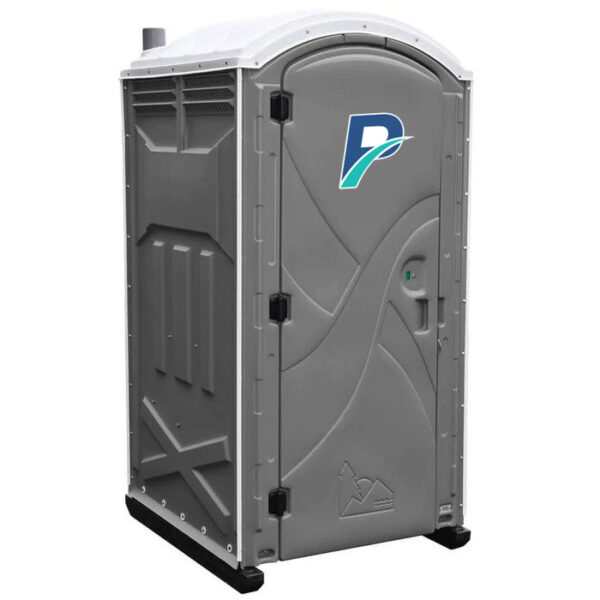
For teams looking at Porta Potty Rental Boston options, the most reliable results come from choosing a provider who can do more than drop off a unit. You want a partner who understands renovation job flow, responds quickly when something changes, and keeps sanitation stable while the remodel moves full speed.
Premier Portable Potties
35 Industrial Dr, East Bridgewater, MA 02333, United States
(774) 444-6997
[email protected]
website: https://www.premier.boston/