Porta Potty Rental Boston for Building Inspections and Permits
Boston building inspections have a way of turning “it should be quick” into “we lost half the day.” Weather shifts, inspectors arrive earlier than scheduled, and contractors are juggling multiple trades at once. Somewhere in that scramble, the bathroom situation becomes the silent bottleneck. When a site does not have a working restroom, you feel it fast, and you can’t always solve it with a last minute plan. That is where porta potty rental Boston comes in, not as a convenience, but as operational stability for permit work and inspections.
I have been on enough job sites to know the pattern. The crew shows up ready to work, then someone runs to the nearest public option, someone else wastes time coordinating a substitute, and the inspector waits while the site owner tries to “figure it out.” The inspection may still happen, but the momentum is gone. Portable toilets on rent, placed correctly and serviced on schedule, keep the day moving. They also reduce risk. You are showing you can run a compliant, worker-ready site, which matters when permits and inspections are on the line.
Why inspectors care about the restroom setup
Inspectors typically focus on life safety, site conditions, and compliance with the scope of the project. They might not say the words “portable toilet” out loud, but they are still assessing whether the site is functional and whether workers have safe, sanitary access to facilities.
For building permits, the details can vary by project type and by the timing of occupancy. Some jobs have existing plumbing that works during early stages. Others are new construction, major renovations, or permit-driven work where plumbing is not available yet. In those cases, a portable toilet becomes the practical way to meet sanitary expectations and worker needs.
Even when your exact permit requirements do not list a porta potty explicitly, you want to avoid creating a situation where the site looks unmanaged. A clean, properly placed Portable Toilet Rental unit signals that you planned for basic operations. The alternative, relying on ad hoc bathroom trips, creates friction and can lead to more mess. Workers are human, and when the easiest option is far away, people improvise, which is exactly the scenario you do not want near an inspection.
In Boston, the city can also be strict about site control in dense neighborhoods. If you are near a curb cut, a loading zone, or a sidewalk that is shared with foot traffic, how you stage equipment matters. Choosing the right portable toilet rental company, and placing the unit with clear access, helps you look professional from the street view too.
The real reason timing matters on inspection days
A lot of people think portable toilet delivery is a simple logistics task. Show up, set it down, move on. In reality, timing can decide whether you get flagged for missed preparation.
Inspection days often come with a narrow window. The inspector may not be flexible because they are moving between multiple addresses. If the porta potty arrives the day before but gets delayed due to truck routing, traffic, or a wrong delivery slot, you still have time to fix it. If it is supposed to arrive the morning of, you might be stuck when the crew is already on site and the work is underway.
That is why emergency portable toilet rental exists. Sometimes it is not even about missing the unit. It is about needing an additional unit because the crew size changed, a prior unit was pulled for servicing, or the existing facility became unavailable unexpectedly. Emergency setups are common in the Boston area because construction schedules are always under pressure. A solid rental company can usually coordinate faster delivery, but you still want to plan as far ahead as possible.
My rule of thumb is to treat the portable toilet like a critical tool, not a nice-to-have. If the inspection depends on site readiness, schedule the delivery with a buffer, then confirm access and placement before the inspector is walking the property.
Choosing the right portable toilet for your Boston project
Not all porta potties are the same, and project realities in Boston make that difference more noticeable. Narrow access, tight sidewalks, and limited staging space mean you often cannot “just place it anywhere.” You need the correct unit for the conditions and for how the site will actually be used during the inspection period.
First, think about how many people will be on site during the busiest hours. If you have a small crew and the work is intermittent, one unit might cover it. If you have a multi-trade day where everyone arrives early, eats lunch on site, and expects long continuous work blocks, you may need additional capacity. Portable toilets on rent often come with different configurations, and the right choice is about matching demand rather than guessing.
Second, consider the duration. Short permit inspections that happen over a day or two usually have different needs than a remodel that runs for weeks. For longer projects, you also care about how often the unit is serviced. Boston weather can affect fill rates and the urgency of maintenance. If you are trying to avoid disruptions, service frequency becomes part of the planning conversation, not an afterthought.
Third, look at the site environment. If you are dealing with dust-heavy work, messy exterior demolition, or any situation where workers are arriving dirty, you might prefer a setup that can maintain cleanliness more consistently. Some units are better suited for frequent use because of how they are maintained and stocked, and because the rental company’s servicing process matters.
Finally, consider accessibility. A unit that is technically present but placed in a way that makes it hard to reach defeats the purpose. For Boston projects, I often see placement decisions made late, when it is too hard to adjust without risking sidewalk congestion. A portable toilet rental companies with experience in urban placements will think about access from the start.
Permit work, staging, and the “where do we put it?” problem
Placement is where most issues come from. A portable toilet that is delivered but cannot be used comfortably will get ignored, and then you end up with the exact sanitation problems you were trying to prevent. On top of that, in Boston, placement can intersect with public access and staging rules.
Before delivery, you want to confirm where the unit can go. Think about a route for the delivery truck. Think about whether the unit will sit on a stable surface. Think about how workers will walk to it without cutting through active work zones or crossing areas where materials are staged.
If you are working near the curb or a sidewalk, you also want to avoid blocking pedestrian flow. You do not want the inspector arriving to a chaotic scene. You want a clean, predictable site layout. Porta Potty Rental Boston services that understand dense neighborhoods tend to ask placement questions early, because they know the consequences of “we’ll figure it out later.”
One more practical point people miss: the unit needs clear access for servicing. Even if you are not worried about maintenance today, you will worry when you need pickup or a swap. If the service route becomes blocked later due to new material deliveries or a shift in staging, you can run into service delays.
What a good portable toilet rental company does differently
When you talk with portable toilet rental companies, you are not just selecting a price. You are selecting a process. On job sites, process shows up as fewer surprises.
A strong rental company will ask questions instead of pushing a default unit. They should understand that permit work has timelines, and that inspections do not wait for logistics. They should also clarify what you can expect on delivery and servicing, including how units are maintained and how quickly they can respond if you need emergency changes.
Here is what I look for when evaluating Portable Toilet Rental for a Boston building inspection:
- They confirm delivery windows and provide realistic timing, not vague promises.
- They ask about site access and where the unit can be placed safely.
- They can scale, if crew size increases or if you need an additional unit quickly.
- They talk openly about servicing schedules and what happens when usage is higher than expected.
- They keep the units clean and stocked in a way that matches real field conditions.
If a provider skips these conversations, you can end up paying for a unit that technically arrived, but did not function the way your site needed.
Cheap portable toilet rental: how to get value without getting burned
Cheap portable toilet rental can be tempting, especially when permit budgets are tight. I understand. Contractors are often managing multiple line items, and everyone wants to avoid unnecessary costs.
The problem is that “cheap” sometimes means “low service visibility,” or “you will handle the messy parts.” Sometimes it means a unit arrives without proper prep for the specific site conditions, or the servicing schedule is too light for the real crew demand. If you under-plan, you pay again in wasted time, site disruption, and possible compliance concerns.
Value is not the lowest number, it is the lowest number that still fits your project. If you need a unit for a permit inspection that lasts only a day, paying extra for long-term service might not make sense. But if your project turns into a longer stretch because approvals shift, you may need a plan that can extend service quickly.
When comparing options in Boston, ask what is included in the rental price. Does it include regular servicing during the rental period? Is there a response plan if the unit needs attention sooner? How do they handle additional units if the crew expands after permit approval? Transparent answers are a good sign that the company is managing the real-world details, not just moving equipment.
Realistic examples from Boston construction and inspection prep
A renovation I worked on involved early permitting and interior work that could not use a functioning restroom yet. The crew was only about six to eight people, and the initial inspection was scheduled for midweek. We arranged a single unit and scheduled delivery with a day before buffer. That plan worked, the inspection went smoothly, and the crew used the unit consistently because it was placed where they already walked for other tools.
Another job started smaller, but then the permit scope widened after the first review. Suddenly, the crew doubled. The original unit was still there, but usage jumped. The site manager tried to stretch it by using tighter rules, but it does not work for long when everyone is on site for the same shift. We added another portable toilet because portable toilets on rent become truly useful when they match actual demand. It also helped morale. People stop treating the bathroom as an inconvenience when it is available and maintained.
The most stressful scenario I remember was a building inspection after a weather disruption. The site had expected a different restroom setup, then access issues delayed plumbing repairs. We needed emergency portable toilet rental, and we needed it quickly. The successful part was not just speed, it was correct placement and servicing planning from day one. We avoided a second crisis by confirming truck access and figuring out a realistic service cadence, rather than waiting for the unit to fill up.
These examples are why portable toilet rental Boston is not a one-size decision. The right setup is the one that supports the crew during the inspection window, and does not create a sanitation problem when schedules shift.
Step-by-step planning for inspection readiness (without overcomplicating it)
You do not need to turn porta potty rental into a project management nightmare, but you should treat it like a real dependency. If your plan is vague, the field will fill in the gaps with mistakes.
Here is a practical way to plan it based on how inspections actually play out:
- Confirm your crew size and expected busiest hours, not just total people on the roster.
- Decide where the unit will sit based on truck access, worker access, and clear servicing pathways.
- Schedule delivery with a buffer before the inspector’s likely arrival, and keep a contingency option for schedule changes.
- Align the servicing frequency with the expected usage, especially if the inspection period stretches.
- Verify the unit will be ready and usable when work begins, not after lunch when people realize it is missing.
That approach keeps the site ready even if timelines wobble. It also reduces the temptation to make improvised decisions that can cost time and credibility during an inspection.
How emergency portable toilet rental usually comes up
Emergency situations are not rare. In a dense city like Boston, delays happen from many directions, and sometimes the restroom setup is the first thing people notice only after it is already a problem.
Common triggers include a delivery that missed the agreed time window, plumbing repairs delayed after a change order, or a sudden increase in crew size after permit approval. Another scenario is when a unit is taken off site for servicing, but the rental period did not align with the revised schedule.
If you might need emergency portable toilet rental, it helps to work with a provider that has a Boston footprint and an established delivery routine. You want someone who can move quickly and still handle placement safely. Speed without placement discipline can cause more issues than it solves, especially near sidewalks or constrained access points.
Safety, sanitation, and site professionalism
A porta potty is not glamorous, but it is part of running a professional job site. Clean units reduce odor and reduce Porta Potty Rental Boston the likelihood of users leaving mess behind. Properly managed waste disposal also supports a cleaner work environment, which matters when you are dealing with permits, inspections, and public-facing areas.
In Boston neighborhoods, inspectors and stakeholders often drive by and check the vibe of a project. A well-staged site communicates control. A neglected restroom setup communicates the opposite, even if the actual work is going well.
Also, consider the human factor. When the unit is clean, accessible, and stocked appropriately, people use it. When it is difficult to reach or obviously unmanaged, people will try alternatives. Alternatives might mean off-site trips, which can waste time, or they might mean unacceptable shortcuts that nobody wants to Porta Potty Rental Boston Premier Portable Potties deal with during an inspection.
What it costs, and why “price” should follow the plan
Pricing for Portable Toilet Rental changes based on unit type, rental duration, service frequency, and delivery complexity. Boston delivery can involve more coordination than in less congested areas, especially if the delivery location is constrained.
If someone quotes a low price for cheap portable toilet rental but does not talk about servicing or delivery realities, you should treat that as a warning sign. You might get the unit cheaply but still pay later through rushed servicing, extra fees for changes, or costs tied to delayed work.
A fair strategy is to compare total cost over the actual rental window, including servicing. If your inspection period is short, you might pay less overall by choosing a plan that matches that short period. If your project expands, you want the rental agreement to allow adjustments without turning the site into a scramble.
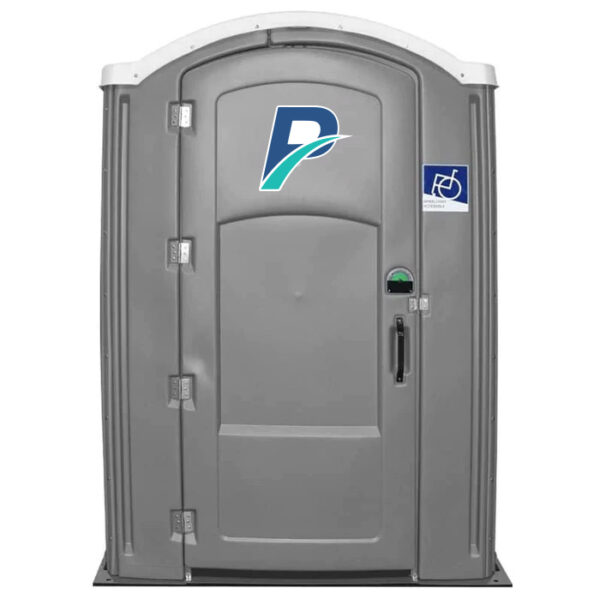
Ask about what happens if you need more units. Ask about response times for service adjustments. Ask about how deliveries handle tighter access days. Those questions protect you from surprise costs.
Two common placement mistakes to avoid in Boston
I have seen the same mistakes repeat across different projects, even when teams are experienced. Placement mistakes are usually fixable, but they cost time, and time is what you cannot spare during inspections.
The first mistake is placing a unit where workers can use it, but where service access later becomes blocked. A unit that gets serviced less often fills faster, and then the site starts to smell like a problem. That is when teams start making reactive calls, and those calls can be expensive.
The second mistake is putting the unit in a location that is safe for delivery but not practical for regular use. If it is too far from the work zone, workers avoid it. That avoidance leads to the sanitation work that nobody wants, cleaning up mess that should never have happened in the first place.
If you plan placement based on both daily access and future service access, you avoid most of the headache.
How long you should rent a portable toilet for an inspection cycle
Most inspection-related rentals fall into windows that are either short and focused or longer and tied to ongoing permit work. If you are doing a single inspection visit and then the site pauses, you can often plan a shorter rental period. If you are dealing with repeated inspections or a permit-driven schedule that stretches, you likely need a longer plan.
Weather also changes the equation. Boston winters can slow down work and create schedule shifts. Summer heat can affect usage patterns. Because of that, it is smart to rent with a buffer. If the inspection happens earlier, you still have the unit for the crew during the cleanup and final walk-through. If the inspection slips later, you are not stuck scrambling for emergency portable toilet rental.
Getting it right the first time
Porta potty rental Boston works best when you treat it like part of your inspection readiness, not a separate task. You are supporting sanitation, morale, workflow, and a professional site appearance. When you match the unit count to crew demand, plan placement for real access, and align servicing to usage, inspections tend to go smoother because the site is not fighting basic operational issues.
If you are coordinating building inspections and permits, especially in a dense urban area, the best portable toilet rental companies are the ones that respond like field partners. They ask the right questions, they set realistic expectations, and they help you avoid the common placement and timing traps.
And yes, you can still find cheap portable toilet rental that makes financial sense. The key is choosing value that matches your actual timeline and usage, not a price that only works on paper. When you do that, the portable toilet stops being a worry and becomes what it should be: a reliable, boring necessity that keeps the day running.
If you want, tell me your project type (new build, interior renovation, exterior work), approximate crew size, and the date of the inspection window. I can help you think through how many units you likely need and what rental timing usually avoids surprises.
Premier Portable Potties
35 Industrial Dr, East Bridgewater, MA 02333, United States
(774) 444-6997
[email protected]
website: https://www.premier.boston/