How to Choose Between Different Portable Toilet Types
Choosing the right portable toilet is less about picking the “best” model and more about matching the unit to the job, the site conditions, and the people using it. I’ve seen projects stall because the wrong tank size was delivered, and I’ve also seen crews quietly relieved when the toilet that seemed “extra” on paper turned out to be exactly what their shift needed. Whether you’re planning a long construction run, a one day event, or an emergency response, the portable toilet type you choose will shape everything from odor control to service frequency and total cost.
Below is a practical way to think through your options, with the details that matter on real sites.
Start with the reality of the site, not the product label
Portable toilet shopping gets confusing because companies use terms like deluxe, standard, handicap-accessible, and eco-friendly in ways that don’t always mean the same thing across providers. Before you compare features, look at the constraints around the unit.
For example, access matters. If your site has narrow gates, tight turns, or overhead lines, delivery and pickup can dictate what will work. If the unit will sit near a walkway, wind direction Port A Potties Near Me and placement matter for odor and cleanliness. If there’s limited water access for handwashing, you may need to plan a soap and sanitizer station alongside the toilet rather than assuming the unit solves everything.
And then there’s the human side. A portable toilet for a work crew at a high-traffic job site is not the same decision as one for a wedding venue where patrons expect a higher level of comfort. Both are “porta potties,” but the expectations and the failure points are different.
When people ask about Porta Potty Rental Boston, they’re often focused on schedule and availability, which is fair. In busy areas, delivery lead times and replacement service windows can be the limiting factor. Still, choosing the right portable toilets on rent starts with matching to usage and site needs, so you don’t end up paying for emergency portable toilet rental later because the original plan fell short.
The core portable toilet types (and what each is really good at)
Most portable toilet rental companies carry several common categories. The names can vary, but the functions do not.
Standard portable toilets
A standard unit is the classic portable toilet. It’s usually a single stall with a sealed waste tank and a chemical solution that helps control odor. These are appropriate for many construction sites, warehouses, and short term jobs where budget and speed matter.
Where standard units can struggle is in higher volume use or longer duration schedules. If you place too few units or plan too low on servicing, you start to get odor complaints, reduced usability, and a lot more time spent waiting on pickups.
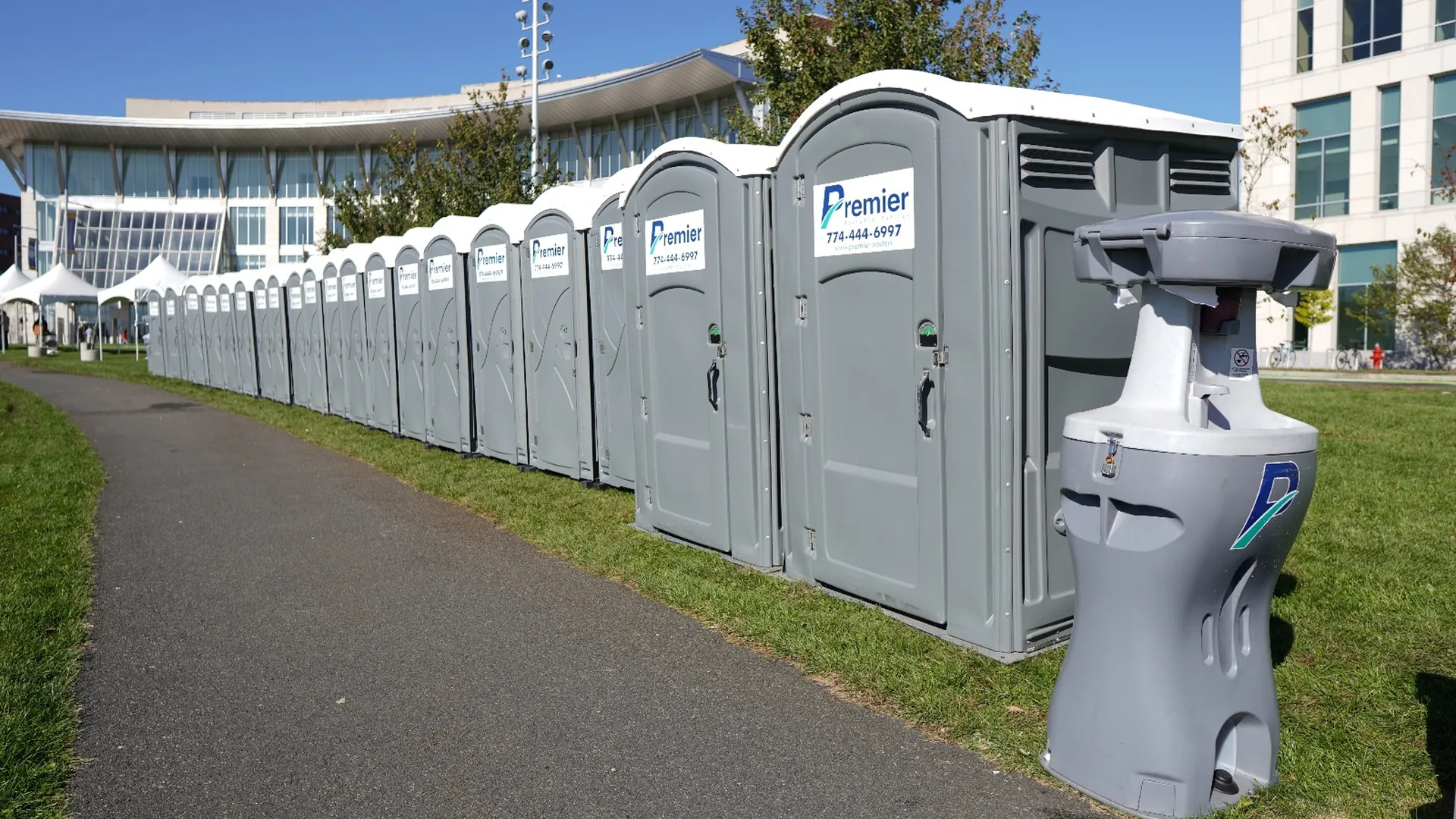
Standard units also tend to have simpler ventilation and fewer comfort features. For some teams, that’s perfectly fine. For events with diverse demographics or visitors who want more comfort, it may not be.
Deluxe portable toilets
Deluxe units are typically the step up for comfort and perceived cleanliness. Depending on the rental package, they may include enhanced handwashing options, improved ventilation, more robust lighting or brighter interiors, and better overall finishing.
Deluxe toilets are often the right call when you’re trying to prevent complaints before they start. I’ve seen this in hospitality adjacent projects, where the cost difference looks small compared to the expense of managing guest dissatisfaction.
They can also be a smart move for jobs that run longer than expected. When the schedule stretches, service frequency becomes real, and units that stay pleasant for longer can reduce how often you need extra interventions.
ADA compliant and accessible units
Accessible portable toilets are not just a “bigger door.” They’re designed so people who use wheelchairs and other mobility aids can access them with proper turning space. Many also include features like grab bars and appropriate internal layout.
If you’re required to meet accessibility expectations, don’t treat it as optional. Even when it isn’t legally mandatory in your scenario, it’s still a safety and inclusivity issue. I’ve been on sites where someone requested an accessible unit late, and the logistics suddenly became harder because the rental had to be rerouted or added as a rush delivery.
Choosing the right accessible unit means thinking about how it will be placed. Firm, level ground is critical. If the area is soft or uneven, even the best portable toilet rental can turn into a usability problem. Also, plan the path of travel, not just the stall itself.
Urinal systems and “men’s” relief options
In many outdoor job sites and some event setups, urinals can reduce waste load and improve efficiency, especially where there’s a lot of male traffic and separate stall use is available. Urinal systems usually come as separate modules and are often paired with standard or deluxe toilets.
They’re not appropriate for every crowd and they aren’t a replacement for stalls when you need full privacy. But in the right situation, urinals can reduce how fast your toilet tanks fill up, which can Porta Potty Rental Boston Premier Portable Potties cut down the frequency of service visits.
Handwashing equipped units and wash stations
Some portable toilets are delivered with integrated handwashing. Other rentals involve a separate portable wash station. Either way, you’re making a decision about hygiene logistics.
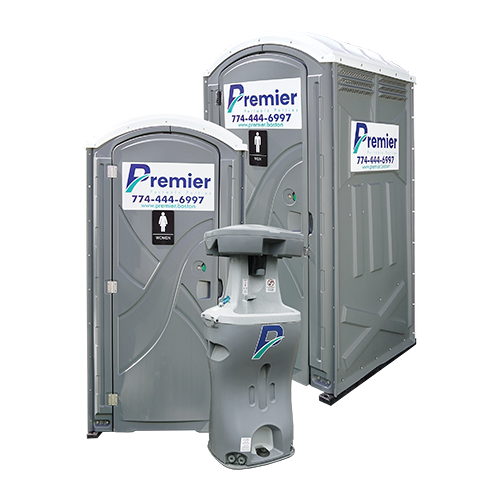
A handwashing setup can matter a lot for food service events, health related operations, and any job where workers or guests handle materials that demand cleanliness. Without it, you may end up with more than odor complaints. You may get real hygiene concerns that become a public relations headache.
This is one area where I’ve seen people spend money “later” to fix the original omission. Planning the wash solution at the same time as the toilet type is often cheaper than adding it after the event starts.
Match toilet type to duration and expected usage
The biggest driver of the “right” portable toilet type is how long it will be in service and how heavily it will be used. Two jobs can have the same headcount and still need different solutions because usage patterns vary.
A crew of 20 might use a portable toilet frequently if they’re on site for multiple shifts or working in heat. At a festival, you might have a similar number of attendees but bursts of use, with peak loads around the same time windows. Those peaks can overwhelm tanks faster than you’d guess if you only look at averages.
When you’re planning Portable Toilet Rental, the easiest trap is to under-forecast peak usage. Tank capacity and chemical treatments can handle a lot, but they still depend on how often people are using the unit and how long between servicing.
If you’re in Boston or surrounding areas, delivery routes and service schedules can be tighter than in rural locations. That means your plan should be conservative enough to avoid last minute issues. Porta Potty Rental Boston service options may include frequent maintenance, but that still costs time and money, and availability can tighten when multiple customers need pickups on the same day.
Service frequency is where “cheap” plans go to die
Cheap portable toilet rental can be a great deal when your usage is predictable and your schedule is short. The problem is that low cost often assumes a certain level of maintenance and turnover that may not fit your actual job.
I’ve seen a common scenario: someone chooses a single standard unit, expecting it to cover a small event, then realizes that the event runs longer, or the weather changes how often people line up. Suddenly the unit needs service sooner. If you’re not already set up with the right pickup schedule, you can end up with an emergency portable toilet rental situation. Emergency service usually comes at a premium, and it also reduces your ability to choose the type you really wanted.
Instead of shopping only by sticker price, treat cost as the sum of units plus service plus time risk. Sometimes spending a bit more on deluxe units reduces the number of interventions needed. Other times, adding one extra standard unit can prevent overflow or odor problems more effectively than “upgrading” to a deluxe model.
The best plan is the one you can actually support operationally, not just the one that seems cheapest on day one.
Think about privacy, comfort, and user experience
User experience sounds soft, until it becomes operational. People avoid toilets that feel unpleasant. If you’re managing a job site, that avoidance becomes a productivity issue because workers will wait longer or choose unsafe alternatives.
Comfort features that matter vary by context. For long outdoor events, better ventilation and lighting can change how usable the unit feels. For families or mixed demographics, accessibility and clean interior conditions matter more. For a construction site with heavy use, durability and ease of servicing matter most.
Deluxe units often win in perception. They look cleaner, feel more cared for, and can reduce complaints. Standard units can still be the right answer when expectations are aligned and maintenance is scheduled.
One practical indicator I use: if the unit will be near a main gathering area, the bar is higher. If it’s tucked behind a barrier in a work zone, the bar is lower. You can still choose a standard unit, but placement and servicing frequency carry more weight.
Decide between rental strategies: one-time delivery vs recurring service
Portable Toilet Rental can be arranged in different ways. Some customers want delivery for a specific window and then pickup at the end. Others want recurring service visits, especially for longer projects.
Recurring service changes the math. If a unit is serviced on a schedule, you can keep standard units usable for longer. Without a service plan, even the “best” toilet type can become a problem because the tank fills and odor control depends on the chemical treatment and maintenance timing.
If you’re dealing with a multi-week construction project, it’s worth thinking about whether your contractor’s schedule is stable. If the workfront changes weekly, the number of toilets might need to change, or they might need to move. Some rental providers can support adjustments, but you need to plan ahead so it doesn’t turn into a logistics scramble.
In Boston area projects, the timing of Porta Potty Rental Boston deliveries and pickups can be competitive. The earlier you lock your plan, the easier it tends to be to secure the type and quantity that match your service strategy.
Placement and site prep can overpower the choice of toilet type
Even a top-tier unit can perform poorly if it’s set up incorrectly. Placement is a category of decision all its own.
You need stable footing. If the ground is uneven, soft, or sloped, you can end up with a unit that is harder to access, can tip or shift, and can complicate servicing. In winter conditions, ice and snow removal access matters too.
You also need to think about foot traffic routes. If the path to the toilet goes through mud or has narrow pinch points, people will avoid it, and that avoidance can reduce compliance during busy periods.
Then there’s odor management. Wind direction and distance from gathering areas matter. If you place toilets downwind from entrances or seating areas, the unit type becomes less important than the site layout. Many clients learn this after a guest complaint, and by then the remedy is expensive because it involves repositioning and rescheduling.
A quick comparison framework you can actually use
Rather than obsessing over brand names, look at the job variables: usage rate, duration, accessibility requirements, hygiene expectations, and service capability. Those variables lead naturally to the right type.
Here’s the decision logic I use on site walks.
- If the job is short and usage is light, a standard unit can work, but only if pickup timing is tight and the unit count matches expected use.
- If the job is long, or usage is heavy, prioritize maintenance schedules and consider deluxe units if you need better user experience.
- If accessibility is a requirement, plan accessible units early and ensure placement supports safe access.
- If there’s a large “quick use” audience and privacy is managed with other stalls, urinal modules may improve efficiency.
- If hygiene is part of the compliance story, plan handwashing or wash stations, either integrated or separate.
That framework keeps the process from drifting into “whatever is available today,” which is when hidden problems show up later.
What to ask portable toilet rental companies before you sign anything
The best deals come from clear expectations. A rental quote should include not just the unit type, but the service terms, delivery window, and what happens if usage spikes.
You’re allowed to ask direct questions. I encourage it, because rental companies are used to these conversations. You’ll also catch inconsistencies early, like a quote for one pickup schedule when your event actually runs longer.
Here are the most useful questions, phrased in plain language:
- What’s included in delivery and pickup, and what are the guaranteed time windows?
- How often are units serviced during the rental period, and how is “service” defined?
- What unit type is being provided (standard, deluxe, handicap-accessible), and are there included features like lighting or handwashing?
- How do you adjust service if usage is higher than planned?
- What are the charges for additional units, extra service visits, or emergency portable toilet rental?
If you can get clear answers to these, you can plan with confidence. If the provider sounds vague, that’s a signal to push harder or consider a different Porta Potty Rental Boston option with more transparent terms.
Weather, season, and cleaning realities
Outdoor jobs rarely stay the same. Hot weeks can increase usage and amplify odor risk. Rain can create muddy access paths. Winter conditions complicate servicing and can affect how chemicals perform, depending on the unit setup and temperature.
For this reason, it’s wise to choose a unit type that can stay reliable under the conditions you’ll face, not just the ones you’ll experience on the delivery day. If you expect heavy rain, you’ll want to focus on placement, access, and service frequency. If you expect extreme heat, you’ll likely need a more conservative service plan.
Deluxe units can reduce user complaints in hot weather because improved ventilation and overall comfort help people tolerate conditions better. Standard units can still work, but you’ll need to be disciplined about servicing and unit count.
Handling special cases: food events, medical settings, and strict expectations
Some situations demand more than “keep it functional.” If you’re dealing with food vendors, health-related operations, or any event where cleanliness is a major public concern, you’ll want to treat hygiene as part of the toilet plan.
That usually means focusing on handwashing provisions, frequent servicing, and unit placement that supports quick, sanitary routines. A toilet type with integrated handwashing can simplify things, but it’s not always available. In those cases, a separate wash station with clear soap and paper towel supplies can do the job.
Medical or quasi-medical events sometimes have additional expectations around accessibility and cleanliness. If that’s your scenario, don’t wait until the last minute to confirm unit features. The wrong stall can create bottlenecks and frustration for staff and patients.
A short checklist to finalize your decision
When you’re ready to lock your Portable Toilet Rental, run through this quickly. It helps prevent the classic mistakes that turn a straightforward rental into a stressful week.
- Confirm your expected usage pattern, including peaks, not just total headcount.
- Decide whether you need standard, deluxe, or accessible units based on comfort and requirements.
- Verify service frequency and what triggers extra service visits.
- Plan placement for access, safety, and odor control.
- Ask about add-ons like wash stations and any emergency portable toilet rental policies.
If any one of these points is fuzzy, it’s worth clarifying before you pay the deposit.
Two examples from real-world planning (what would I choose?)
Example 1: a multi-week construction job with moderate crew changes
Let’s say you have a construction timeline that lasts several weeks, with a crew that grows and shrinks as different trades arrive. You might start with 30 people and end up with 60 at peak. You also want the units to stay pleasant because workers will use them multiple times daily.
In that scenario, I’d prioritize standard units if the rental provider can service on a scheduled basis and if you’re comfortable with the user experience. I’d also consider adding a deluxe unit or upgrading some stalls if the workfront includes public-facing areas or if previous projects with standard units created complaints.
The key is matching servicing to the schedule. One extra unit during peak weeks often beats trying to stretch one unit through a usage spike.
Example 2: a weekend event near entrances with families and limited space
Now imagine a weekend event with families. There’s high foot traffic near entrances, and the portable toilets will be visible, not tucked away. You also have tighter site access, so delivery and placement need to go smoothly.
I would lean toward deluxe portable toilets and ensure accessible units are included early. I’d also strongly consider handwashing stations, because guests notice hygiene quickly. In this kind of setting, cheap portable toilet rental can cost more overall if it leads to odor complaints or lines that start right before the main events.
The “right” toilet type here is the one that keeps the experience steady without constant problem-solving.
Final thought: the best portable toilet type is the one you can support
Choosing between different portable toilet types is ultimately a logistics and risk decision. Standard units can be the right choice when usage and duration are manageable and servicing is scheduled. Deluxe units earn their value when user experience, duration, and complaint prevention matter. Accessible units should be planned early and placed safely. Wash and hygiene options can be the difference between “functional” and “acceptable.”
If you’re selecting Porta Potty Rental Boston or comparing Portable Toilet Rental options from different providers, don’t let availability alone decide the type. Ask the service questions, validate your plan against your schedule, and think through how people will actually move through the site. That’s where you’ll get the best outcome, the first time.
Premier Portable Potties
35 Industrial Dr, East Bridgewater, MA 02333, United States
(774) 444-6997
[email protected]
website: https://www.premier.boston/